How to practice for the theory test?
This is how you make a simple plan, practice smart, and use the right resources to pass the theory test.
Post in the Theory Test series
For many, the theory test is the first encounter with traffic education. With the right plan and good habits, you can reduce stress and increase your chances of passing. Below you will find a simple, effective method to study smart.
Contents
- Where to start
- Recommended weekly plan
- Active study methods
- Common pitfalls
- Resources and further reading
Where to start
Start by getting an overview of the subject and your own weak areas. Take a free assessment test to see where you stand. Then read briefly about each topic and practice specifically on what you need the most.
See our pages to get started:
- Car class B: Car theory test
- Safety check: Safety questions
- Practice for free: Free theory test
- Structured learning: Basic course
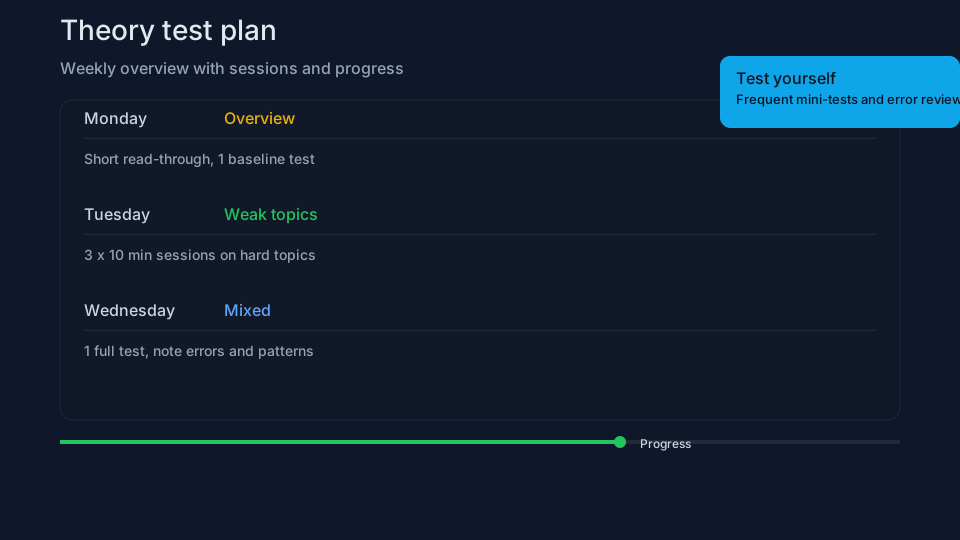
Recommended weekly planA steady rhythm beats skipping and cramming. Below is a suggestion that many succeed with.
| Day | Focus | What you do |
|---|---|---|
| Mon | Overview | 1 short reading session of the topic, 1 mapping test |
| Tue | Weak topics | 3 x 10 min sessions with exercises on weak subjects |
| Wed | Mixed | 1 full test, note mistakes and patterns |
| Thu | Revision | Flashcards, 20–30 min |
| Fri | Simulation | Full test with time limit |
| Sat | Micro-sessions | 2–3 short sessions on your phone |
| Sun | Summary | Review notes, light revision |
Active study methods
Use methods that make you active, not just reading.* Spaced repetition: Spread practice over time. Repeat difficult material more often.
- Test yourself: Take frequent mini-tests instead of long reading marathons.
- Error analysis: Write down why the answer was wrong and what the correct rule is.
- Error journal: Systematize your mistakes, see Error journal and repetition .
- Mix tasks: Vary topics to avoid only learning the order.
- Explain aloud: Say out loud what signs, rules, and principles mean and why.
Typical pitfalls
- Only passive reading without self-testing
- No error analysis, the same mistakes are repeated
- Skipping traffic rules and signs because they “are already known”
- Too little time spent on safety, braking distances, and driver responsibility
Mini-checklist before you book a lesson* Do you consistently pass practice simulations with a safe margin?
- Do you have control over speed limits, right of way, and sign groups?
- Can you explain the braking distance formula and what affects it?
- Have you practiced safety questions and vehicle checks?
Resources and further reading
- Question types and traps: What kind of questions come on the theory test?
- Class B course in 10 parts: Get started with Class B
- Learn from your own mistakes: Error journal and repetition
- Practice exercises and explanations: Car theory test
- Free test for level check: Free theory test
- Safety and control: Safety questions
- Structured progression: Basic course
Tips for motivationSet a concrete goal with a date. Break the goal into small weekly sub-goals. Reward yourself when you stick to the plan. Small, consistent sessions win over long breaks. Good luck!
Read next
More in The theory test
Error journal and repetition: learn from your own mistakes
A practical template and routine for using your mistakes as learning.
How to pass the theory exam
The theory exam is what many call the theory test. Here is everything you need to know to pass.
How to pass the theory test?
A practical step-by-step guide with a learning plan, practice methods, and exam tactics to pass the theory test.
Signal vs sign in traffic
A simple explanation of the priority between police, signals, signs, and road markings for the theory test.